
Heating in Gatineau: Central Heating or Room-by-Room Systems?
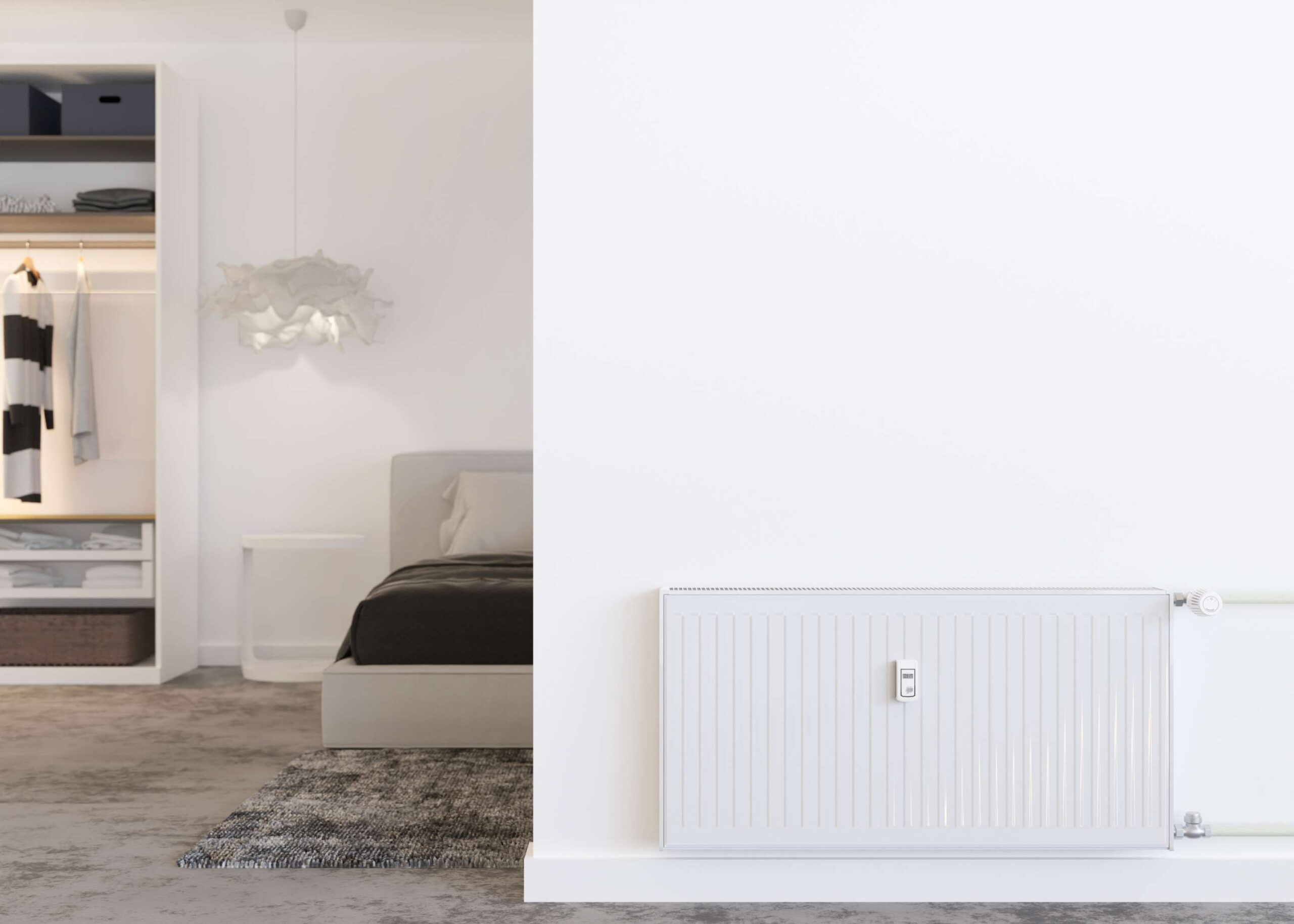
Choosing the right heating in Gatineau isn’t just about selecting a unit. It also means deciding how heat will be distributed throughout your home. A central heating system heats the entire home from a single system, while independent systems allow you to control the temperature room by room or by zone.
So, which setup should you choose? The answer depends on your home, how much control you want over the temperature, your comfort needs, and your budget. Let’s compare both options to determine which one is better suited to your situation.
Central Heating: How It Works, When It Shines
Central heating means one main system delivering heat to the whole home through ducts, radiators, or in‑floor pipes. Typical examples include a gas furnace with ductwork, a central heat pump with backup, or a boiler feeding radiators and radiant floors. This approach shines when you want even, whole‑home comfort and already have (or plan to add) a good distribution system.
In practice, a central heating system might be:
- A high‑efficiency gas furnace and ducts.
- A central cold‑climate heat pump with electric or gas backup.
- A boiler feeding baseboard radiators or radiant floor loops.
Most Canadian homes still rely on central forced‑air systems; furnaces and boilers remain dominant, with electric baseboards more common in Quebec. When designed and sized properly, central systems offer:
- Consistent comfort from room to room, especially in two‑storey homes.
- Good air mixing and filtration when you have ductwork and a quality filter.
- Easier integration of cooling (central AC or heat pump) with the same ducts.
The trade‑offs? Central systems can involve higher upfront cost if ductwork or hydronic piping needs to be added or replaced. Older Gatineau homes with small chases, low basements, or past renovations can make new duct runs tricky. And if your home’s insulation and air sealing are poor, you might still end up with cold corners unless the system is carefully designed and possibly zoned.
Room-by-Room and Zoned Systems: From Wall-Mounted Heat Pumps to Supplemental Heaters
Room‑by‑room or zoned heating means you heat specific areas independently instead of sending the same amount of heat everywhere. This usually means ductless heat pumps mounted on walls, electric baseboards, radiant floor zones, or, more rarely, portable space heaters. This strategy works well when some rooms are used more than others, or when certain areas are hard to heat with a central system.
Common room‑by‑room options include:
- Ductless heat pump units (mini‑splits) in key zones like the living area and bedrooms.
- Electric baseboard heaters with individual thermostats in each room.
- Radiant floor heating in specific areas such as bathrooms or basements.
- Portable space heaters used occasionally for short bursts of warmth.
Modern ductless systems offer a much more versatile solution than traditional electric baseboards. Heat pumps designed for cold climates can maintain good performance during the winter while using electricity more efficiently to heat the home. When properly sized and installed, they can help reduce energy consumption associated with heating. Room‑by‑room heating is especially attractive when you:
- Have specific “problem rooms” that are always colder.
- Own a condo or semi‑detached without ducts where installing a central system would be invasive.
- Want to heat only the spaces you actually occupy during the day or at night.
Central Heating vs Room-by-Room System: Cost, Comfort, and Energy Use
Choosing between central and room‑by‑room heating in Gatineau comes down to three main trade‑offs: upfront cost, operating cost, and comfort. Central systems often cost more to install but provide very even comfort and easy whole‑home control. Zoned or room‑by‑room systems can be cheaper to install in certain homes and let you heat only the spaces you use, but design and controls matter a lot to avoid cold spots.
Here is a simplified comparison for a typical Gatineau home:
| Factor | Central Heating | Room‑by‑Room / Zoned |
|---|---|---|
| Upfront cost | Higher if ducts or hydronic piping are needed; moderate if reusing good ducts | Lower to moderate, depending on the chosen system and the number of zones to be heated |
| Operating cost | Can be low with high‑efficiency furnace or central heat pump; whole‑home always conditioned | Potentially lower if you use efficient ductless units and reduce setpoints in unused rooms |
| Comfort | Very even when ducts/radiators are well designed; one thermostat can feel “set and forget” | High comfort in zones with ductless heads or radiant floors; risk of uneven temperatures if under‑sized or poorly located |
| Flexibility | Best for households using most of the home most of the time | Great for homes where some rooms are rarely used or finished later (basement, bonus room) |
| Noise | Most noise confined to mechanical room and furnace fan | Quiet indoor units; slight fan noise in each room with ductless heads |
| Aesthetics | Registers or radiators are discreet; equipment hidden | Wall‑mounted heads visible; baseboards along walls; radiant floors invisible |
| Rebates | Cold‑climate central heat pumps and furnace upgrades can be eligible for provincial programs | Financial assistance may be available for certain heat pump installation or heating system conversion projects, depending on the existing equipment and the eligibility criteria of current programs |
| Typical use case | Newer detached home with existing ducts; major renovation adding ducts; larger families | Older house with electric baseboards, semi‑detached, or condo; targeted fix for cold rooms; secondary suites |
Because electricity rates in Quebec are relatively low versus other provinces, running efficient electric central systems or ductless heat pumps can be very cost‑effective.
Ultimately, there is no universal winner. Central systems tend to win on whole‑home simplicity and consistent comfort. Room‑by‑room heating tends to win where ductwork is missing or expensive to add, or when you want fine‑grained control and are willing to manage multiple thermostats or zones. Many homeowners end up with a hybrid strategy that captures the best of both.
Which Approach Fits Your Home Type and Project?
The best way to decide between a central heating system and room‑by‑room solutions is to look at your actual home and how you live in it. Different housing types, insulation levels, and renovation plans point toward different strategies. Below are some realistic scenarios that mirror what many Gatineau homeowners face.
1. 1950s bungalow with electric baseboards and drafty windows
This is a classic case. You might have decent electrical capacity but no ducts. Upgrading to a ductless heat pump for the main living area plus a second head in the bedroom wing can often deliver:
- Much better comfort in the main spaces.
- Lower consumption than straight electric baseboards.
Baseboards can stay as backup in rarely used rooms. Insulation and air‑sealing upgrades also make a big difference by reducing heat loss in these older Gatineau houses.
2. Newer detached home with existing ducts and an aging furnace
Here, a central system usually makes the most sense. Replacing an older furnace with a high‑efficiency model, or adding a central cold‑climate heat pump with a furnace or electric backup, lets you:
- Reuse existing ducts and registers.
- Improve comfort on both floors with better airflow and controls.
If you have specific cold rooms over the garage or in the basement, adding a small ductless unit or radiant floor loop in that one area can turn this into a smart central‑plus‑zone hybrid.
3. Semi‑detached or condo with limited space for ducts
When you do not have a big mechanical room or ceiling space for ducts, room‑by‑room heating with ductless mini‑splits usually leads. A multi‑zone outdoor unit can feed two to four indoor heads placed strategically in the main zones. Electric baseboards or radiant floors can cover bathrooms and small rooms. This layout:
- Avoids duct installation work in tight cavities.
- Gives you zoned control for each main area.
- Can provide efficient summer cooling at the same time.
4. Major renovation or new build
If you are opening walls or building from scratch, you have the luxury of designing your layout for long‑term performance. When planning heating in Gatineau, the best setup is:
- A central heat pump or furnace with well‑designed ducts for overall comfort.
- Zoned dampers or multiple thermostats to manage different floors separately.
- Selective radiant floor heating in high‑comfort spaces like bathrooms or basements.
This type of hybrid solution gives you the “always comfortable” feeling of central heating with the energy‑saving and comfort benefits of targeted zones where it matters most.
How SAF Combustion Designs a Heating Strategy in Gatineau
Getting heating in Gatineau right is less about picking a brand and more about choosing the right layout and sizing for your actual house. SAF Combustion approaches every project as a heating strategy, not just an equipment swap, combining central and room‑by‑room options when that delivers the best result.
Here is how a typical process works with an HVAC contractor in Gatineau like SAF Combustion:
- In‑home assessment – A technician looks at your current system, insulation, windows, ducts (if any), and problem rooms. They also ask how you actually use the space: working from home, closed‑door bedrooms, empty basement, etc.
- Load calculation – Instead of guessing based on square footage, they perform a heat‑loss calculation considering Gatineau’s design temperatures, air leakage, and orientation. This helps avoid over‑ or under‑sizing, which can hurt comfort and efficiency.
- Layout choice: central, room‑by‑room, or hybrid – Based on the physical constraints and your goals, they recommend either a central heating system, a ductless or radiant room‑by‑room approach, or a mix.
- System selection and rebate planning – They match equipment options (heat pump vs furnace vs boiler) to your electrical capacity, fuel availability, and budget. At the same time, they look at programs to help you capture available incentives.
- Installation, balancing, and follow‑up – Proper installation, duct balancing, and control setup (thermostats, zoning, smart controls) are what make the plan real. After installation, fine‑tuning can solve lingering cold rooms and optimize comfort during Gatineau’s cold snaps.
If you are undecided between central heating and room-by-room heating, an assessment of your home can help determine which setup truly meets your needs.
Whether you are considering a central system, independent units, or a combination of both, your choice should take into account your home’s layout, your comfort requirements, and the equipment already in place. Contact SAF Combustion to discuss your heating project in Gatineau and determine the best solution for your home.
FAQs About Heating Layout Choices in Gatineau
Is a central system always more efficient than room-by-room heaters in Gatineau?
No, a central system is not automatically more efficient than room‑by‑room heating. A well‑designed central heat pump or high‑efficiency furnace can be very efficient, but so can a set of ductless heat pumps if they are sized correctly and allow you to lower temperatures in unused rooms. What is usually less efficient is relying heavily on portable space heaters or old, poorly controlled baseboards as your main solution.
Can I use ductless heat pumps room by room instead of a central system?
Yes, many Gatineau homeowners heat most or all of their home with ductless heat pumps placed in key zones. A typical setup is a multi‑zone outdoor unit connected to indoor heads in the main living area and bedroom hallway, with existing baseboards kept for backup. This approach is especially attractive when there are no ducts and when you also want efficient summer cooling in the same rooms.
Are space heaters a good long-term solution for cold rooms?
Portable space heaters are usually a band‑aid, not a long‑term heating strategy in Gatineau. They can help temporarily in a small area, but they often use a lot of electricity, add fire and burn risk if misused, and do nothing to fix underlying issues like poor insulation or bad airflow. In the long run, adding a small ductless unit, improving duct balancing, or installing radiant floor heating in that problem area is usually safer, more comfortable, and more economical.
How long does it take to install a new heating configuration in Gatineau?
Installation time depends on the scope. Replacing an existing furnace with a similar central unit is often a one‑day job, while adding a central heating system with new ducts can take several days. Installing a ductless heat pump for room‑by‑room heating usually takes one day for a single head and up to two days for multi‑zone setups. Complex projects that combine central, radiant, and ductless elements or major renovations can stretch longer, but your HVAC contractor should give you a clear schedule up front.
More Posts
- When to Replace an Old Heating System
- Advantages of Combining Heat Pumps with Radiant Heating
- Best heat pump systems for homes in Gatineau
- Building Mechanics in Gatineau – Practical Steps to Reduce Energy Losses
- Heating in Gatineau: The Mistakes That Wear Down a System Too Quickly
- Furnace in Gatineau and Indoor Air Quality: A Commonly Overlooked Duo
- Extreme Cold, Steady Comfort: How to Optimize Your Heating in Gatineau Without Raising Your Bill
- Radiant Floor Heating: Discreet Yet Unmatched Comfort During Winter
- Heating in Gatineau: Which Solution Is Best for an Older Home?
- The Different Types of Air Exchangers in Gatineau and Their Residential Benefits
- Signs It’s Time to Replace Your Heating System in Gatineau
- What Types of Flooring Work Best With Radiant Heating in Gatineau?
- Is Your Heat Pump in Gatineau Using Too Much Electricity? Here’s Why
- Key Criteria for Properly Sizing a Heat Pump in Gatineau
- Radiant Floor Heating in Gatineau and Energy Efficiency: What Savings to Expect?
- Air Exchangers in Gatineau: What Role do They Play in Reducing Allergens?
- Common Ventilation Maintenance Mistakes in Gatineau and How to Avoid Them
- Heat Pumps in Gatineau: Safety, Maintenance, and Long-Term Performance
- How to evaluate commercial ventilation options in Gatineau
- Air Conditioning Myths That Are Costing You Money
- What Size Air Conditioning Unit Do I Need For My Home?
- Air Conditioning vs Heat Pump in Gatineau: Which is More Energy-Efficient?
- How To Reduce Your Air Conditioning Energy Consumption This Summer
- When to Replace vs. Repair Your Air Conditioning in Gatineau : A Practical Guide
- How To Make Your Air Conditioning More Energy Efficient in Gatineau’s Changing Climate?
- How to Improve Indoor Air Quality with Commercial Ventilation in Gatineau?
- Commercial Ventilation in Gatineau: A Key Component of Indoor Air Quality
- Top 5 HVAC Innovations for Summer 2025: Smarter Cooling, Cleaner Air, and Lower Bills
- Air conditioning in Gatineau: why choose a trusted contractor?
- Prepare your air conditioning system in Gatineau this spring
- Commercial ventilation in Gatineau : Why your business needs an upgrade in 2025