
Heat Pump Installation: Every Step From Quote to Start-Up
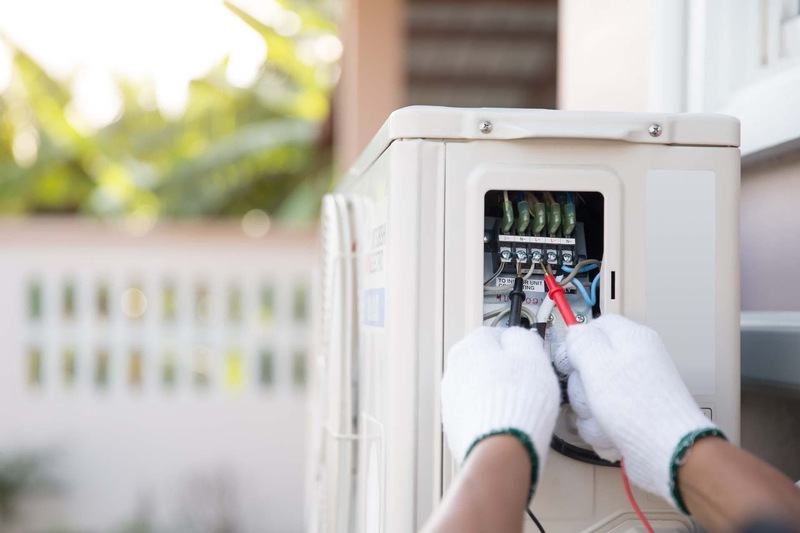
A heat pump installation runs in six steps, and four of them happen before anyone drills a hole. The visit, the choice of location, the written quote and the licence check decide how warm the house stays on the first cold night, and each one builds on the last.
Before the quote: the visit and where the units go
The home visit and the choice of location set what the quote must contain: the right capacity and the right spot for each unit.
1. Book the assessment visit
The on-site assessment helps determine the type and capacity of heat pump needed to meet your home’s requirements. The estimator considers the area to be heated, the room layout, the quality of the insulation, and the existing heating system.
These factors are essential for properly sizing a heat pump and selecting a unit suited to your home.
2. Choose where both units go
The location follows from the visit: once the capacity is known, the installer picks a spot for the outdoor unit and the indoor unit. The outdoor unit is the box that sits outside; the indoor unit is the one on the wall that blows warm or cool air.
For the outdoor unit, the province’s heat pump guide gives three plain rules. Water, snow and ice from the roof must not fall on the fan. A windbreak helps where the spot takes strong winds. And the municipality may set where a heat pump can sit, so check its bylaw before you buy.
For the indoor unit, the room matters as much as the wall. Put it where air can flow toward the next rooms, with no furniture or curtain in front.
The quote and the installer’s licence
The written quote and the contractor’s licence both get checked before you sign.
3. Read the written quote line by line
The written quote puts on paper what the visit settled: the unit’s capacity, where each unit goes, the electrical work and the price. The Régie du bâtiment du Québec (RBQ), the body that licenses building contractors, says quotes must be detailed, and so must invoices. It also advises never deciding under pressure from a pushy seller, and paying once the work is finished.
The price changes with the type of unit, the capacity and the heating already in the house. A good quote names the model, so two offers can be compared on the same basis.
4. Check the licence before you sign
The installer’s licence gets checked once the quote is in hand, before the signature. The RBQ says a wall-mounted unit calls for a refrigeration contractor (subclass 15.10) or a small refrigeration systems contractor (15.9). Electrical work belongs to an electrical contractor (subclass 16). The RBQ’s online licence holder registry confirms both numbers.
Heat pump installation day and start-up
The heat pump installation itself begins once the quote is signed and the licence checked.
5. Get ready for installation day
Installation day is set at signing, depending on the season and the installer’s schedule.
On site, the crew mounts the indoor unit on the wall and sets the outdoor unit on its bracket or base. A small hole through the wall carries the refrigerant lines, the pipes that move the fluid between the two units. An electrical circuit then connects the unit to the panel. The installer checks beforehand that the home’s electrical service can take that hook-up.
Before the crew arrives, clear access to the chosen wall, inside and out.
6. Start it up with the installer
Start-up closes the installation: the installer turns the unit on, checks that it heats and walks you through the settings.
Ask how the backup heat, the system that takes over in deep cold, switches on. Ask to see the defrost cycle too: the unit melts the frost that builds up on the outdoor unit in winter by itself.
Trust SAF Combustion with your wall-mounted heat pump installation
Installing a wall-mounted heat pump requires technical expertise, from selecting the right unit to commissioning it. The quality of the installation directly affects energy efficiency, thermal comfort, and the lifespan of your equipment.
With over 15 years of experience, SAF Combustion supports you at every stage of your project in Gatineau and Chelsea. From assessing your needs to commissioning your heat pump, our team ensures that your installation is suited to your home’s specific characteristics.
Schedule your free in-home estimate with SAF Combustion to move forward with your wall-mounted heat pump installation project.
Frequently asked questions
Can I install a heat pump myself?
No, not the refrigerant circuit or the electrical hook-up. According to RBQ requirements, a wall-mounted heat pump must be installed by a refrigeration contractor holding the appropriate licence, while the electrical connection must be completed by an electrical contractor. You can verify both licences in the RBQ’s online registry before signing a contract.
How much does a wall-mounted heat pump installation cost?
The exact cost of installing a heat pump depends on its capacity, the number of indoor units, and the electrical work required. A written quote provides the specific cost for your home.
What maintenance does a heat pump need after installation?
Annual maintenance, ideally in the fall, helps maintain your heat pump’s efficiency before extreme cold sets in. With proper maintenance, the unit can last 10 to 15 years. Between maintenance visits, keep the outdoor unit clear and protect it from snow and ice falling from the roof.
More Posts
- The Challenges of Heating a Multi-Storey House
- Commercial Heating in Gatineau: 7 Things to Check Before Winter
- Why Do Some Rooms in Your House Stay Cold Even With the Heat On?
- Heating in Gatineau: Central Heating or Room-by-Room Systems?
- When to Replace an Old Heating System
- Advantages of Combining Heat Pumps with Radiant Heating
- Best heat pump systems for homes in Gatineau
- Building Mechanics in Gatineau – Practical Steps to Reduce Energy Losses
- Heating in Gatineau: The Mistakes That Wear Down a System Too Quickly
- Furnace in Gatineau and Indoor Air Quality: A Commonly Overlooked Duo
- Extreme Cold, Steady Comfort: How to Optimize Your Heating in Gatineau Without Raising Your Bill
- Radiant Floor Heating: Discreet Yet Unmatched Comfort During Winter
- Heating in Gatineau: Which Solution Is Best for an Older Home?
- The Different Types of Air Exchangers in Gatineau and Their Residential Benefits
- Signs It’s Time to Replace Your Heating System in Gatineau
- What Types of Flooring Work Best With Radiant Heating in Gatineau?
- Is Your Heat Pump in Gatineau Using Too Much Electricity? Here’s Why
- Key Criteria for Properly Sizing a Heat Pump in Gatineau
- Radiant Floor Heating in Gatineau and Energy Efficiency: What Savings to Expect?
- Air Exchangers in Gatineau: What Role do They Play in Reducing Allergens?
- Common Ventilation Maintenance Mistakes in Gatineau and How to Avoid Them
- Heat Pumps in Gatineau: Safety, Maintenance, and Long-Term Performance
- How to evaluate commercial ventilation options in Gatineau
- Air Conditioning Myths That Are Costing You Money
- What Size Air Conditioning Unit Do I Need For My Home?
- Air Conditioning vs Heat Pump in Gatineau: Which is More Energy-Efficient?
- How To Reduce Your Air Conditioning Energy Consumption This Summer
- When to Replace vs. Repair Your Air Conditioning in Gatineau : A Practical Guide
- How To Make Your Air Conditioning More Energy Efficient in Gatineau’s Changing Climate?
- How to Improve Indoor Air Quality with Commercial Ventilation in Gatineau?
- Commercial Ventilation in Gatineau: A Key Component of Indoor Air Quality
- Top 5 HVAC Innovations for Summer 2025: Smarter Cooling, Cleaner Air, and Lower Bills
- Air conditioning in Gatineau: why choose a trusted contractor?
- Prepare your air conditioning system in Gatineau this spring
- Commercial ventilation in Gatineau : Why your business needs an upgrade in 2025