
Commercial Heating in Gatineau: 7 Things to Check Before Winter
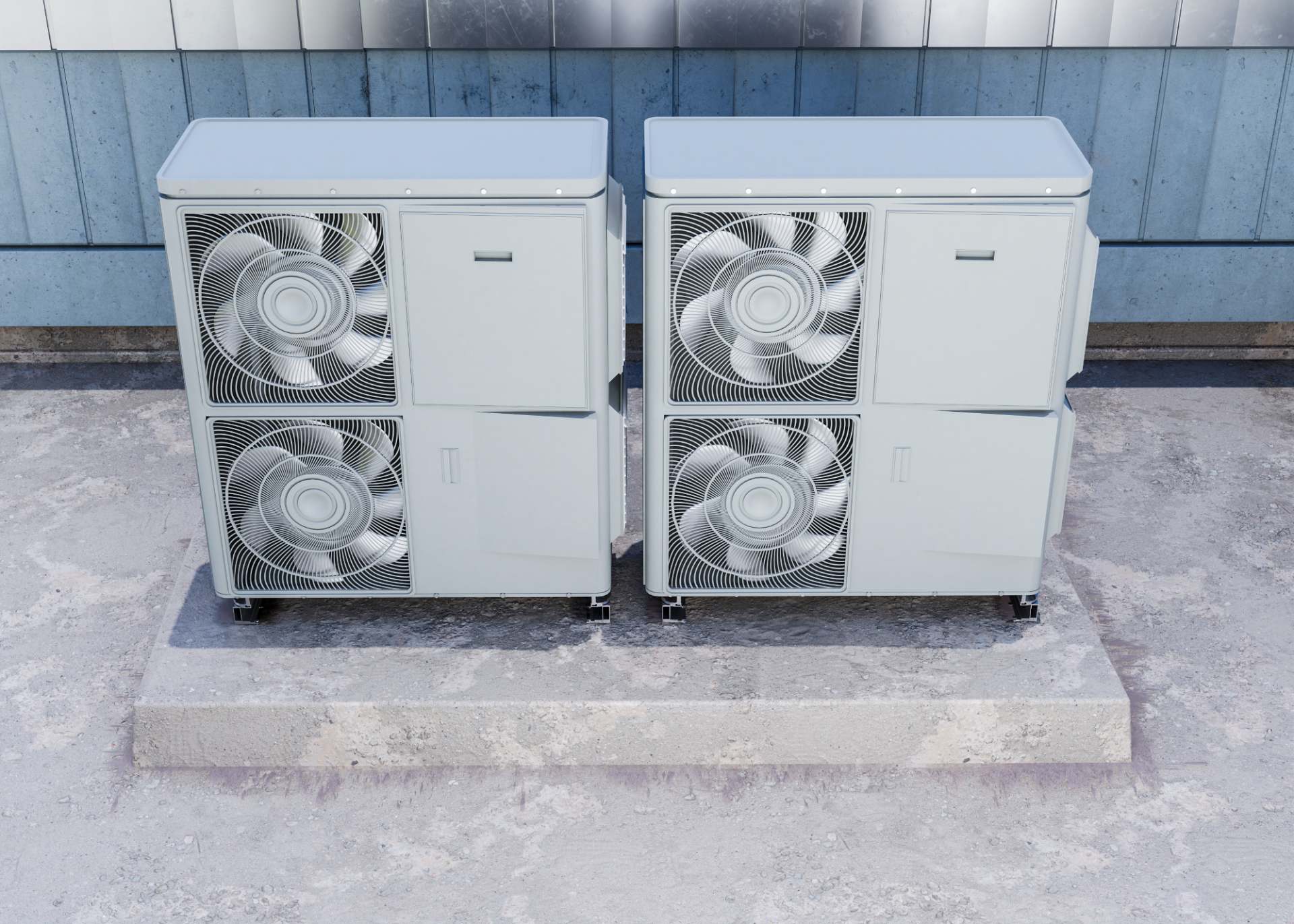
In Gatineau, winter temperatures put commercial building heating systems to the test. Before the first periods of extreme cold, certain checks can help identify problems and schedule necessary maintenance.
Whether your building is equipped with a boiler, furnace, or rooftop heating units, here are 7 things to check for your commercial heating system in Gatineau before winter.
1. The overall condition of heating equipment
A preventive inspection helps assess the condition of key components before the equipment begins operating at full capacity.
Depending on the system installed, the technician will examine:
- Burners, heat exchangers, and ignition systems.
- Pumps, motors, fans, and belts.
- Connections, signs of corrosion, and visible leaks.
- Control and safety devices.
This inspection helps identify signs of wear, unusual noises, and operating problems that require particular attention.
2. Filter cleanliness and airflow
Poor airflow can cause uneven temperatures in offices, retail stores, and other occupied spaces.
Before winter, check when the filters were last replaced and make sure supply and return air grilles are not blocked. Dirty filters, noisy fans, or areas that remain consistently cold may indicate a heat distribution problem.
A technician can also inspect internal components and determine whether cleaning or adjustments are necessary.
3. Thermostat and control system operation
Thermostats and control systems determine when and how the building is heated.
Check that the displayed temperatures match the actual conditions in different areas. Also, review programmed schedules based on business hours, weekends, and holidays. If certain rooms are too hot or too cold, the sensors, settings, or heat distribution may need to be assessed.
Properly configured controls also help prevent unnecessary heating of unoccupied spaces.
4. Protecting pipes against freezing
Pipes located in poorly heated spaces are particularly vulnerable to winter temperatures.
Inspect accessible pipes in mechanical rooms, loading areas, and other locations exposed to cold temperatures. Pay attention to the condition of the insulation, condensate lines, and any signs of moisture or leaks.
For rooftop installations, also check that access conditions will allow necessary maintenance and repairs during winter.
Any inadequate freeze protection should be assessed before temperatures first drop below freezing.
5. Heat loss around doors and windows
A commercial heating system can operate properly while consuming more energy because of cold air infiltration. Inspect entrance doors, loading docks, windows, and other building openings.
Look for:
- Damaged weatherstripping.
- Deteriorated seals around windows.
- Drafts near doors.
- Doors or other openings that no longer seal properly.
These observations help distinguish building insulation problems from issues related to heating equipment.
6. Ventilation and safety devices
Combustion heating equipment requires an adequate air supply and safe exhaust gas venting.
Before winter, have the combustion air intakes, exhaust vents, and applicable safety devices inspected. Exterior outlets must remain clear, even when snow and ice accumulate. Also, check the presence, condition, and operation of carbon monoxide detectors wherever they are required.
Inspections and work on combustion systems must be carried out by qualified personnel.
7. Maintenance history and system performance
The final factor to check is how the heating system performed during previous seasons. Review maintenance reports, completed repairs, and problems reported by building occupants.
Unusual increases in energy consumption, repeated shutdowns, or persistent temperature differences deserve particular attention.
This information helps the technician focus the inspection and identify priority maintenance work before winter.
Plan ahead for your commercial heating needs with SAF Combustion
A pre-winter inspection does more than identify problems. It also helps assess component conditions, detect signs of wear, and determine whether certain equipment still meets your facility’s requirements.
An aging burner, poorly controlled combustion, or equipment that no longer meets the building’s needs can affect energy consumption and heating reliability.
SAF Combustion offers heating equipment and solutions for commercial and industrial facilities. Contact SAF Combustion to explore options suited to your needs if your inspections reveal that equipment should be replaced or upgraded.
FAQ’s
When should a commercial heating system be inspected?
Fall is a good time, before the first cold snaps. Scheduling an inspection early enough allows time to plan necessary maintenance or repairs rather than waiting for a winter breakdown.
What are the signs that a commercial heating system needs inspection?
Uneven temperatures, unusual noises, frequent startups, and unexplained shutdowns warrant an inspection. Abnormally high energy consumption may also indicate an operating problem.
Who can perform commercial heating system inspections?
Building staff can monitor temperatures, review heating schedules, and identify blocked grilles. Technical inspections of burners, gas connections, and safety devices must be performed by qualified personnel.
Is an annual inspection enough?
An annual inspection provides a good foundation for preventive maintenance. However, the frequency of inspections depends on the type of equipment, how it is used, the manufacturer’s recommendations, and applicable requirements.
More Posts
- The Challenges of Heating a Multi-Storey House
- Why Do Some Rooms in Your House Stay Cold Even With the Heat On?
- Heat Pump Installation: Every Step From Quote to Start-Up
- Heating in Gatineau: Central Heating or Room-by-Room Systems?
- When to Replace an Old Heating System
- Advantages of Combining Heat Pumps with Radiant Heating
- Best heat pump systems for homes in Gatineau
- Building Mechanics in Gatineau – Practical Steps to Reduce Energy Losses
- Heating in Gatineau: The Mistakes That Wear Down a System Too Quickly
- Furnace in Gatineau and Indoor Air Quality: A Commonly Overlooked Duo
- Extreme Cold, Steady Comfort: How to Optimize Your Heating in Gatineau Without Raising Your Bill
- Radiant Floor Heating: Discreet Yet Unmatched Comfort During Winter
- Heating in Gatineau: Which Solution Is Best for an Older Home?
- The Different Types of Air Exchangers in Gatineau and Their Residential Benefits
- Signs It’s Time to Replace Your Heating System in Gatineau
- What Types of Flooring Work Best With Radiant Heating in Gatineau?
- Is Your Heat Pump in Gatineau Using Too Much Electricity? Here’s Why
- Key Criteria for Properly Sizing a Heat Pump in Gatineau
- Radiant Floor Heating in Gatineau and Energy Efficiency: What Savings to Expect?
- Air Exchangers in Gatineau: What Role do They Play in Reducing Allergens?
- Common Ventilation Maintenance Mistakes in Gatineau and How to Avoid Them
- Heat Pumps in Gatineau: Safety, Maintenance, and Long-Term Performance
- How to evaluate commercial ventilation options in Gatineau
- Air Conditioning Myths That Are Costing You Money
- What Size Air Conditioning Unit Do I Need For My Home?
- Air Conditioning vs Heat Pump in Gatineau: Which is More Energy-Efficient?
- How To Reduce Your Air Conditioning Energy Consumption This Summer
- When to Replace vs. Repair Your Air Conditioning in Gatineau : A Practical Guide
- How To Make Your Air Conditioning More Energy Efficient in Gatineau’s Changing Climate?
- How to Improve Indoor Air Quality with Commercial Ventilation in Gatineau?
- Commercial Ventilation in Gatineau: A Key Component of Indoor Air Quality
- Top 5 HVAC Innovations for Summer 2025: Smarter Cooling, Cleaner Air, and Lower Bills
- Air conditioning in Gatineau: why choose a trusted contractor?
- Prepare your air conditioning system in Gatineau this spring
- Commercial ventilation in Gatineau : Why your business needs an upgrade in 2025